Across Australia, from bustling coastal cities to the quiet towns of the outback, there is a familiar and respected name that appears on park entrances, playgrounds and picnic areas — Lions Park. For generations, these parks have been places where families gather, travellers rest, and communities come together. Behind many of these welcoming spaces stands the quiet but powerful legacy of Lions Clubs.
Since the arrival of the first Lions Club in Australia in 1947, Lions members have been working side by side with their communities to create places that bring people together. One of the most visible reminders of this service is the network of Lions Parks that can be found throughout the country.
For many travellers, especially those driving through regional and rural Australia, a Lions Park is often the perfect place to stop — clean, welcoming, and community-minded. These parks frequently feature playgrounds, picnic facilities, barbecues, and shaded areas, providing a safe and pleasant environment for locals and visitors alike. They are also a symbol of the long-term commitment Lions Clubs make to the communities they serve.
Unlike many projects that come and go, Lions Parks represent something more enduring — a lifelong legacy of service. Many of these parks were created through countless hours of volunteer labour, fundraising events, and partnerships with local councils. Lions members planted trees, built shelters, installed playground equipment, and in many cases continue to maintain these spaces decades later.
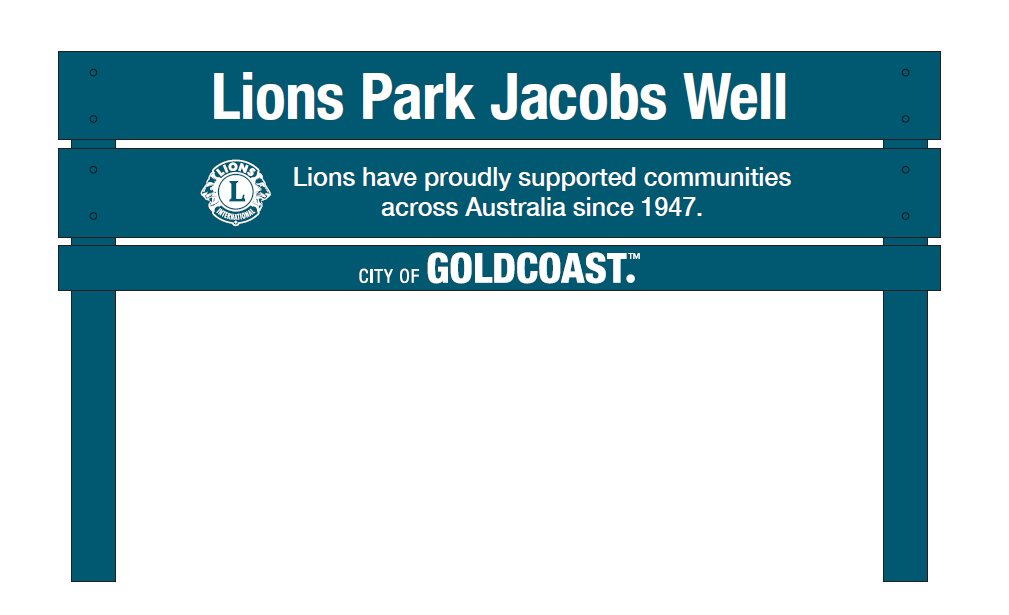
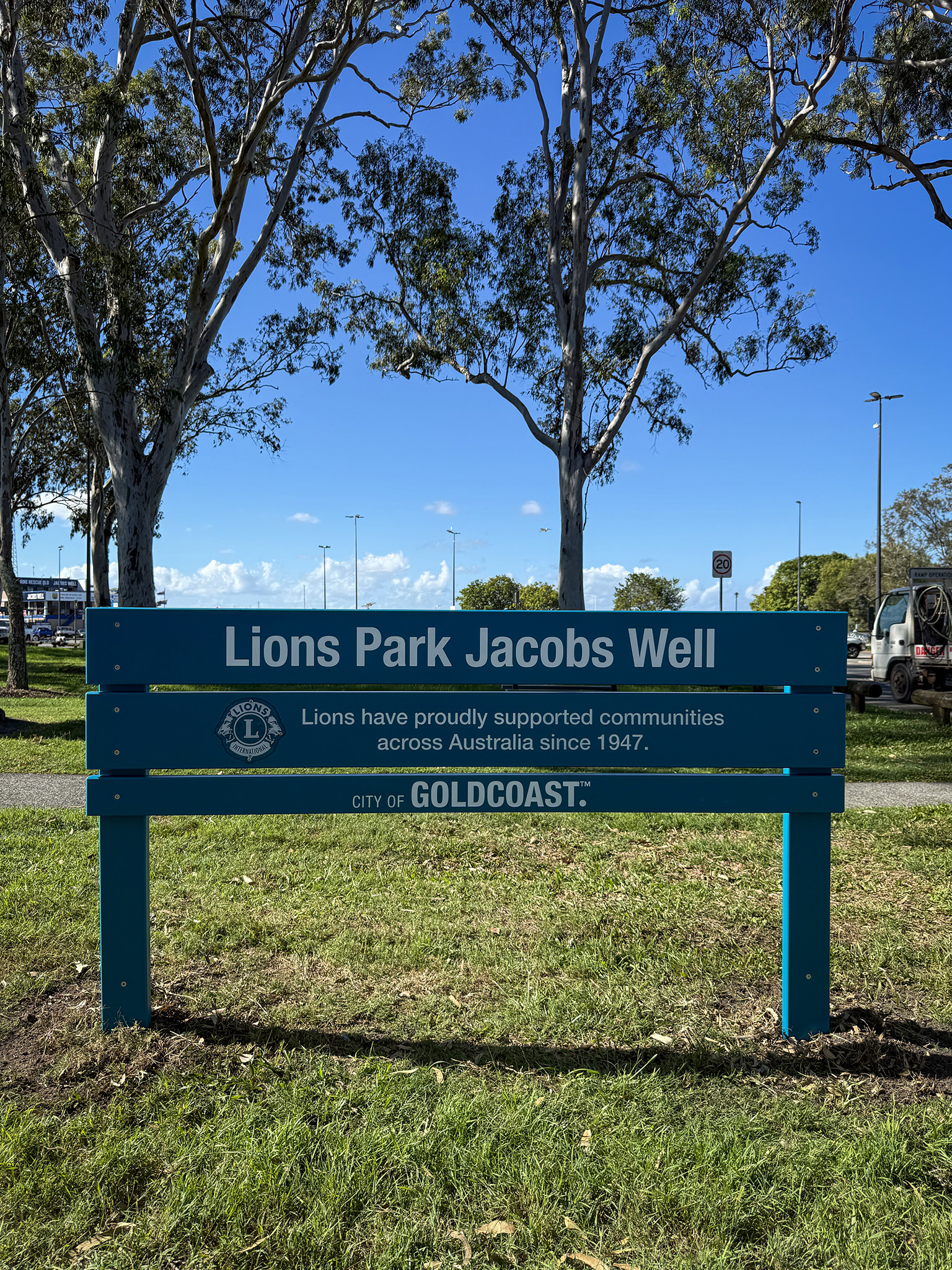
Recently, the City of Gold Coast has recognised this important contribution through plans to upgrade signage at Jacobs Well Lions Park, ensuring the role of Lions is clearly acknowledged for future generations. Rachel Tredwen, who works with the council team responsible for park infrastructure, explained that the renewal of signage provides an opportunity to celebrate the history of Lions involvement in the community.
As part of this initiative, the council is planning interpretive signage that will feature the Lions logo and highlight the historical connection between the park and the local Lions Club. This follows a similar recognition previously installed at Carrara Lions Park, ensuring visitors understand the story behind these valued community spaces.
These recognitions are important reminders that Lions Parks are not just pieces of land — they are part of Australia’s community heritage.
District Governor Stuart is now encouraging Lions Clubs across Australia to take a fresh look at these important assets.
“Lions Parks are one of the most visible legacies of our service,” he said. “They remind communities that Lions have been there for decades, working quietly in the background to make their towns better places to live.”
He is encouraging clubs to consider adopting and maintaining existing Lions Parks, particularly in regional areas where smaller communities may no longer have an active Lions Club. In some cases, clubs in nearby towns may be able to step in to help care for these spaces and preserve their history.
Clubs are also being encouraged to look at the entrance signs to their towns. Many Lions welcome signs — often the first thing visitors see when they arrive — have served communities well for many years but may now need refreshing.
“A modern, well-presented Lions sign at the entrance to town sends a strong message,” Stuart said. “It shows visitors that Lions are active, proud of their community, and still serving.”
Assistance is available for clubs wishing to upgrade or install new signage, with options available in a variety of sizes suitable for parks, roadside entrances, and community spaces.
The message to Lions Clubs is simple: protect the legacy, celebrate the history, and ensure the Lions name continues to be seen in communities across Australia for generations to come.
By adopting parks, refreshing signage, and continuing the tradition of community service, Lions can ensure that the proud story of Lions Parks continues to grow — from the coast to the country, and everywhere in between.
After all, these parks are more than just green spaces.
They are a reminder that when Lions serve, the impact lasts for generations.